USCIS Issues New Policy Memo Requiring Consular Processing for Green Card Applicants
.jpg&w=3840&q=75)
Rita Georges
Managing Partner
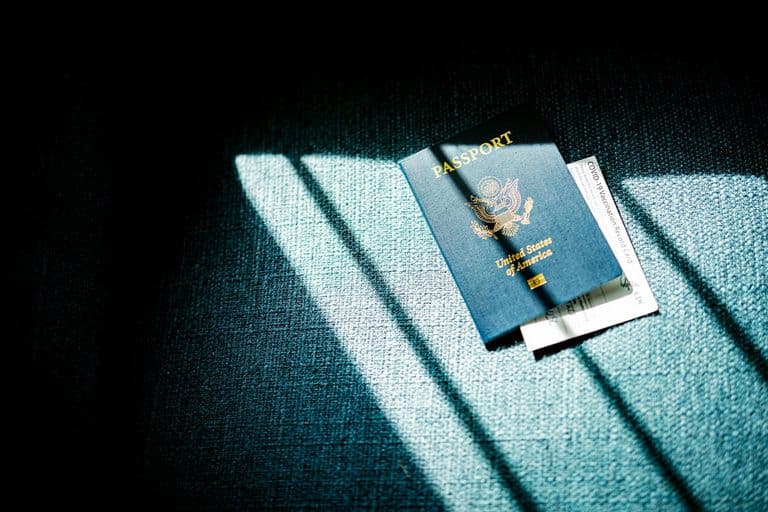
U.S. Citizenship and Immigration Services (USCIS) has released a new policy memo directing that most individuals seeking a Green Card must do so through consular processing at a U.S. embassy or consulate abroad, rather than adjusting status from within the United States.
Under the new guidance, nonimmigrants including students, temporary workers, and tourist visa holders who wish to obtain permanent residency will generally need to return to their home country to apply through the Department of State. Exceptions may be granted only in extraordinary circumstances, evaluated on a case-by-case basis.
USCIS stated that the policy reflects the original intent of immigration law and is aimed at reducing reliance on adjustment-of-status pathways that the agency views as inconsistent with how the law was written. Officials also noted that routing more cases through consular offices abroad will free up USCIS resources to focus on other priorities, such as humanitarian visa programs and naturalization applications.
What to Expect Going Forward
This policy shift is expected to have wide-ranging consequences for thousands of individuals currently navigating the immigration system. Among the most likely impacts:
Longer wait times and increased backlogs at U.S. consular offices abroad are anticipated, as a greater volume of Green Card applications is redirected away from USCIS and toward the State Department. Applicants who had planned to adjust status from within the U.S. may face significant delays and added travel and logistical costs as they prepare to apply from their home countries.
For many nonimmigrants already in the U.S., particularly those who have built lives, careers, and families here, this policy may create difficult decisions about whether and when to depart. Those who have pending adjustment of status applications or are mid-process may face some uncertainty, and legal challenges to the policy are considered likely, which could result in court-ordered delays or modifications to implementation.
Employers who sponsor foreign workers for permanent residency may also feel the effects, as the added complexity and extended timelines of consular processing could disrupt workforce planning and retention.
Read the full policy memo here.
We are actively monitoring this development and will post updates as they become available. Follow us on Facebook, Instagram, and LinkedIn to get the most up-to-date updates on this policy and other immigration news.
Have questions about your immigration options?
Our attorneys are here to help you navigate the complexities of U.S. immigration law.
You might also be interested in
PERM Program Update: Microsoft and Major Tech Firms Suspended From Labor Certification Program
October 15, 2026

Your School Paused CPT. Here Are Your Options.
October 13, 2026
-768x512.jpg&w=3840&q=75)
J-1 Visa Program Update: Nine Universities Under Investigation
October 11, 2026

Your startup has no cash. Can you still get an E-2 visa?
October 9, 2026
Want to stay updated?
Subscribe to our mailing list to keep up with latest news, updates, and insights on U.S. immigration law and policy.